What You’re Missing Without an Insulated Garage Door
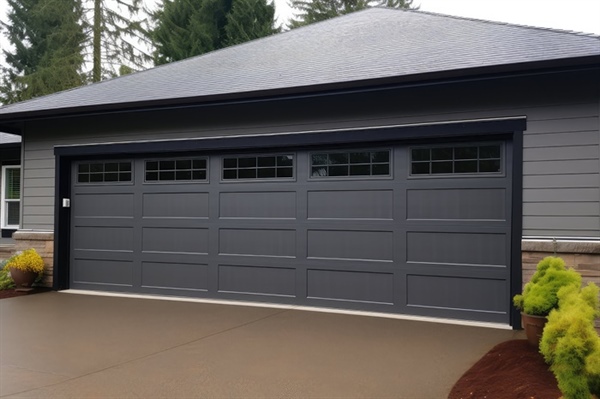
Many homeowners underestimate how much a garage door impacts their home's efficiency, comfort, and long-term value. If your garage door isn’t insulated, you’re likely dealing with more than just seasonal discomfort.
An uninsulated door allows outdoor temperatures to seep into your garage space, creating an inefficient barrier between your home’s interior and the elements. For homes with attached garages, this can have ripple effects throughout the house—affecting HVAC performance, raising energy costs, and decreasing overall comfort. Even in detached garages, temperature swings and exposure to the elements can affect everything stored inside, from tools and vehicles to electronics and seasonal gear.
Rochester Overhead Door Co. understands these issues and what’s really at stake. An insulated garage door offers more than just temperature control—it plays a key role in improving energy efficiency, reducing utility bills, increasing durability, and even adding to your home’s resale value. In this article, we’ll look closely at what you’re missing without an insulated garage door.
Whether you're building new or upgrading, understanding these benefits will help you make an informed decision!
How Insulated Garage Doors Improve Energy Efficiency and Temperature Control
Insulated garage doors significantly enhance a home’s thermal envelope by limiting heat transfer between the garage and the outdoors. Most insulated doors are constructed with steel or aluminum panels that sandwich polyurethane or polystyrene insulation.
These materials increase the door’s R-value, a measure of thermal resistance, which plays a direct role in maintaining more consistent indoor temperatures. In colder climates like Minnesota, where winter temperatures can drop drastically, this is especially critical.
When the garage is better insulated, less heat escapes in winter, and less heat enters in summer. For attached garages, this directly reduces the thermal load on the home’s heating and cooling systems. Even detached garages benefit by maintaining more stable interior environments, which can protect stored tools, electronics, and equipment from damage caused by extreme temperature swings.
This temperature regulation also makes garages more functional. Whether the space is used for parking, storage, or as a workshop, an insulated garage door ensures a more comfortable, usable environment year-round.
Lower Utility Bills and Improved HVAC Performance
Uninsulated garage doors can act as weak points in a home’s energy performance, allowing conditioned air to escape and forcing HVAC systems to work harder. When outside air freely moves through the garage, it places strain on adjacent conditioned spaces, especially if the garage shares walls with frequently used rooms like bedrooms or living areas. This thermal bridging increases heating and cooling demand, resulting in higher monthly utility bills.
Insulated garage doors reduce this inefficiency by minimizing heat transfer. This results in more stable indoor temperatures and less HVAC cycling. In many cases, homeowners experience measurable savings after installing insulated doors, especially during peak heating and cooling months. Lower system workload can also extend the lifespan of HVAC units and reduce maintenance costs.
By improving the building envelope with an insulated garage door, homeowners gain long-term savings and better system performance without sacrificing comfort. Upgrading to a thermally efficient door pays off not just in dollars saved but also in reduced environmental impact from lower energy usage.
Enhanced Durability and Quieter Operation
Insulated garage doors offer superior structural integrity compared to their non-insulated counterparts. The multi-layer design adds strength and rigidity, making the door more resistant to dents, warping, and other physical damage. In areas prone to wind, heavy snowfall, or frequent use, this added durability is an essential advantage. Over time, insulated doors are less likely to show signs of wear and tear, extending the door’s operational life.
In addition to durability, insulated garage doors are much quieter during operation. The insulation absorbs sound and dampens vibration, which minimizes noise when the door opens and closes. This is particularly beneficial in homes with bedrooms located above or adjacent to the garage. Reduced noise levels are a noticeable improvement in daily use, especially in households with early risers or late arrivals.
The enhanced construction quality of insulated garage doors not only contributes to noise reduction and longevity but also improves user experience over the long term. The combined effect of less frequent repairs, lower noise levels, and stronger materials makes this upgrade a practical and long-lasting improvement.
Protection for Stored Items and Interior Spaces
Garages are often used to store a wide range of items—tools, vehicles, paint, seasonal décor, electronics, and more. Many of these items are sensitive to extreme temperature fluctuations or high humidity. An uninsulated garage door offers little defense against the elements, allowing moisture and cold or hot air to penetrate the space, which can cause damage to stored goods.
Insulated garage doors act as a thermal and moisture barrier, helping to keep interior temperatures more consistent and preventing condensation buildup. This protects metal tools from rust, electronics from humidity-related failure, and wood or fabric items from warping or mold. It also benefits any living or utility spaces connected to or above the garage, where temperature and moisture control are critical to comfort and material integrity.
In homes where the garage also serves as a workspace, gym, or hobby room, insulation ensures that the space remains usable throughout the year. Without it, comfort and safety are compromised, especially in climates with extreme seasonal temperatures.
Increased Home Value and Better Year-Round Comfort
An insulated garage door is a noticeable upgrade that adds measurable value to a home. Buyers increasingly prioritize energy efficiency and comfort when evaluating real estate, and a well-insulated garage space contributes to both. According to Remodeling Magazine’s Cost vs. Value report, garage door replacement consistently ranks as one of the top home improvement projects for return on investment, especially when high-quality, insulated models are installed.
Beyond resale considerations, the comfort benefits are immediate. A more stable garage temperature improves daily living, especially when the garage is frequently used or connects directly to the home. With fewer drafts, better moisture control, and improved aesthetics, the garage becomes an extension of the living space rather than a buffer zone exposed to outdoor extremes.
How Rochester Overhead Door Co.Can Help You Upgrade
Rochester Overhead Door Co. has over six decades of experience helping homeowners in southeastern Minnesota select and install high-performance insulated garage doors. Whether you’re seeking to cut energy costs, extend the life of your HVAC system, protect stored belongings, or enhance home value, our team can help you choose the right solution.
If you're ready to improve your garage’s efficiency and comfort, give us a call at 507-282-4866 or contact us today. Our knowledgeable staff will walk you through the best options based on your budget, garage configuration, and long-term goals!