What Role Do Torsion Springs Play in Garage Door Performance and Safety?
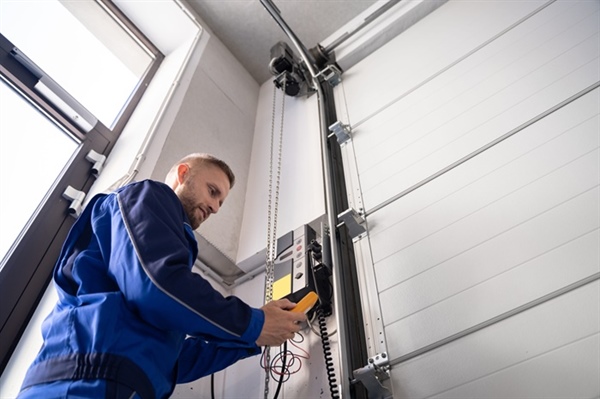
Garage doors are among the largest moving components in a home, yet many homeowners rarely consider the engineering that allows them to open and close with such ease. At the center of this system are torsion springs—precision-engineered components responsible for counterbalancing the full weight of the door. Without properly functioning torsion springs, even a high-quality opener would struggle under the load, leading to strain, uneven movement, and potential system failure. Rochester Overhead Door Company recognizes that understanding how these springs operate is key to maintaining both performance and safety.
From how torsion springs generate lifting force to the impact of proper tension, cycle life, and failure risks, each aspect plays a measurable role in the overall reliability of a garage door system. Questions surrounding wear patterns, safety hazards, and maintenance best practices are not just theoretical—they directly affect daily operation and long-term durability. Whether addressing subtle performance issues or more urgent concerns requiring garage door repair, gaining a deeper understanding of torsion springs helps homeowners make informed decisions and recognize early warning signs before more serious problems develop.
How Torsion Springs Generate Lifting Force in Garage Door Systems
Torsion springs function by storing mechanical energy through controlled twisting. When a garage door is closed, the springs are wound tightly around a shaft, creating torque. This stored energy is then gradually released as the door opens, assisting in lifting the door’s weight. The principle is based on rotational force: as the shaft turns, the spring unwinds, transferring energy through cable drums that pull lifting cables attached to the bottom of the door. This system effectively offsets the door’s mass, allowing it to be raised with minimal effort.
The amount of torque generated depends on the spring’s wire diameter, length, and number of turns applied during installation. Proper calibration is critical because the spring must match the exact weight of the door. If correctly balanced, the door should remain stationary when partially open, demonstrating that the torsion system is carrying the load rather than the opener. This balance reduces mechanical stress on the opener motor, extending its operational lifespan and improving efficiency.
In real-world applications, the lifting force provided by torsion springs is what allows modern garage doors to operate smoothly and consistently. Without this counterbalance, the opener would be forced to lift the full weight of the door repeatedly, leading to premature wear. Situations that involve improper force distribution often require professional garage door repair, especially when the system begins to show signs of strain or imbalance during operation.
Impact of Spring Tension on Garage Door Performance and Longevity
Spring tension directly influences how a garage door moves along its tracks. When tension is correctly calibrated, the door operates with consistent speed, minimal noise, and even weight distribution. This ensures that components such as rollers, hinges, and tracks experience uniform stress rather than localized strain. Proper tension also allows the opener to function as intended—guiding motion rather than acting as the primary lifting force.
Incorrect tension introduces several measurable issues. Over-tensioned springs can cause the door to open too quickly or fail to close fully, placing excessive force on cables and drums. Under-tensioned springs, on the other hand, result in sluggish operation and increased load on the opener motor. Both conditions accelerate wear on critical components and can lead to misalignment or track damage over time. These performance inconsistencies are often subtle at first but become more pronounced as mechanical stress accumulates.
Maintaining correct tension contributes directly to the longevity of the entire garage door system. Balanced springs reduce friction, limit vibration, and prevent uneven wear patterns. Over time, this translates into fewer repairs and more predictable performance. Understanding the role of tension is essential for identifying early warning signs such as uneven movement or unusual resistance during operation.
Cycle Life and Wear: When and Why Torsion Springs Fail
Torsion springs are engineered with a defined cycle life, typically measured in the number of complete open-and-close operations they can perform. Standard residential springs are often rated for approximately 10,000 cycles, although higher-cycle options are available. Each cycle introduces stress to the metal as it repeatedly winds and unwinds, gradually weakening the structure at a microscopic level.
Over time, metal fatigue develops due to this constant stress. The spring’s internal structure begins to degrade, reducing its ability to store and release energy effectively. Environmental factors such as temperature fluctuations and corrosion can accelerate this process, especially in regions with significant seasonal variation. As the spring weakens, it may lose tension, resulting in reduced lifting capacity and uneven door movement.
Failure typically occurs when the accumulated stress exceeds the material’s capacity to withstand further deformation. This often results in a sudden break, which can be identified by a loud snapping sound and immediate loss of door balance. Recognizing signs such as visible gaps in the spring, increased strain during operation, or inconsistent movement can help identify fatigue before complete failure occurs.
Safety Risks of Broken or Improperly Adjusted Torsion Springs
Torsion springs operate under high tension, which means failure can introduce serious safety risks. When a spring breaks, the stored energy is released abruptly, potentially causing the door to drop rapidly. This sudden movement can damage the door, strain cables, and create hazardous conditions for anyone nearby. In some cases, broken springs can also lead to cable derailment, further destabilizing the system.
Improperly adjusted springs present a different but equally important set of risks. If tension is uneven between multiple springs, the door may lift unevenly, placing stress on tracks and hardware. This imbalance increases the likelihood of component failure and can cause the door to become stuck or misaligned. The risk is not limited to mechanical damage—malfunctioning doors can create pinch points or fail to respond predictably to controls.
These risks highlight the importance of proper calibration and monitoring. Because torsion systems store significant mechanical energy, even minor adjustments require precision and specialized tools. Understanding the potential hazards associated with these components reinforces the need for careful handling and awareness of warning signs such as jerky movement, loud noises, or visible spring damage.
Professional Maintenance and Replacement Best Practices for Torsion Springs
Routine inspection plays a central role in maintaining torsion spring performance. This includes checking for signs of wear such as rust, gaps in the coils, and changes in tension. Lubrication is also critical, as it reduces friction between coils during operation and helps prevent premature metal fatigue. Regular maintenance helps preserve the spring’s cycle life and supports consistent door movement.
Adjustment and replacement require a high level of precision due to the tension stored within the springs. Proper tools and procedures are necessary to safely wind and unwind the springs without causing injury or damaging the system. Installation must also account for door weight, size, and usage frequency to ensure the correct spring specifications are applied.
When replacement becomes necessary, using springs with appropriate cycle ratings and material quality is essential for long-term reliability. Working with established providers such as Rochester Overhead Door Company helps ensure that installation aligns with industry standards and that all components function cohesively within the system.
Torsion springs are a critical part of garage door performance, affecting everything from lifting force and balance to long-term durability and safety. Rochester Overhead Door Co. provides the expertise needed to evaluate spring condition, identify performance issues, and recommend the right solutions based on system design and usage patterns. Whether addressing tension imbalances, worn components, or complete spring replacement, accurate assessment is key to maintaining reliable operation.
Rochester Overhead Door Company offers professional service backed by years of experience in garage door systems. Their team understands how torsion springs interact with every component, from cables and drums to openers and tracks. For service inquiries or to schedule an inspection, call 507-282-4666 or contact us to speak with a knowledgeable technician.