What Causes Recurring Garage Door Issues Even After Repairs?
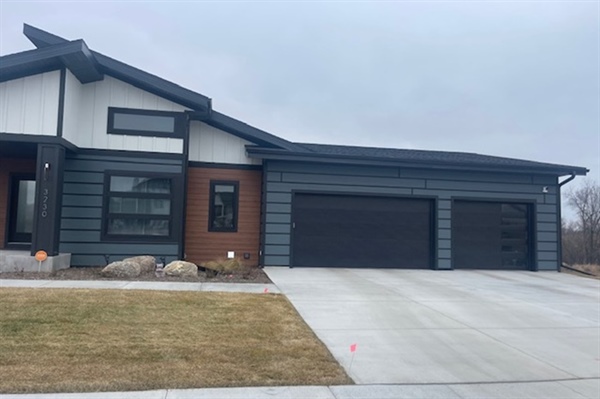
Recurring garage door problems can be frustrating, especially when repairs have already been completed and the same issues keep coming back. Homeowners often expect a repair to fully resolve the problem, yet many garage door systems experience repeat failures due to underlying mechanical conditions that were not fully addressed. Garage doors are complex systems made up of interconnected components, and a failure in one area can signal deeper issues elsewhere in the system.
Understanding why these problems persist requires looking beyond the immediate fix and examining the full system. Rochester Overhead Door Co recognizes that repeat breakdowns often stem from incomplete diagnostics, aging hardware, or external stress factors that continue to affect performance. In the sections ahead, we will examine key causes such as incomplete repairs, system-wide component wear, installation quality, maintenance gaps, and environmental conditions. Each of these factors plays a role in long-term reliability and helps explain why even professional garage door repairs may not always prevent future issues without a comprehensive approach.
Why Incomplete Garage Door Repairs Lead to Recurring Problems
One of the most common reasons garage door issues return after a repair is that the original service addressed only the visible symptom rather than the underlying mechanical cause. For example, a broken spring may be replaced, but if the system is out of balance or other components are under stress, the same failure pattern can repeat. Garage door systems operate as integrated assemblies, and isolating one issue without evaluating the full system often results in temporary resolution rather than long-term reliability.
In many cases, repeated failures stem from load imbalances, misalignment, or excessive strain distributed across multiple parts. When a single component fails, it often indicates that other components are already experiencing wear. Without a full diagnostic process that includes tension calibration, track alignment, and hardware inspection, the repaired system continues to operate under the same conditions that caused the initial failure.
Industry best practices emphasize system-wide evaluation during service calls. Technicians should assess spring cycles, cable condition, roller wear, and opener force settings as part of a comprehensive repair approach. When these factors are overlooked, even professional garage door repairs may not prevent recurring breakdowns because the root cause remains unaddressed.
How Aging Garage Door Components Cause Ongoing Failures
Garage doors rely on multiple components working in coordination, including springs, rollers, cables, hinges, and tracks. Over time, these parts degrade at different rates depending on usage, material quality, and environmental exposure. Replacing a single worn component does not reset the condition of the entire system, which means other aging parts may soon fail under continued operation.
For example, torsion springs are typically rated for a specific number of cycles, and when they approach the end of their lifespan, the strain on cables and rollers increases. Similarly, worn rollers can create uneven movement that places additional stress on tracks and hinges. This interconnected wear pattern explains why a garage door may continue to experience issues even after a recent repair.
System longevity depends on evaluating all moving parts collectively rather than individually. A comprehensive approach to maintenance and replacement helps identify components nearing failure before they cause operational issues. Without this broader assessment, aging hardware continues to degrade, leading to repeated service needs and reduced system performance.
The Impact of Improper Installation and Low-Quality Parts
Incorrect installation practices are a major contributor to recurring garage door problems. Even small deviations in track alignment, spring tension, or opener calibration can create long-term operational issues. When components are not installed according to manufacturer specifications, the system may function initially but will experience premature wear and instability over time.
Low-quality replacement parts further compound this issue. Inferior springs, rollers, or cables often have shorter lifespans and lower tolerance for stress, leading to faster deterioration under normal usage conditions. These components may not meet the same performance standards as original equipment, resulting in inconsistent operation and increased likelihood of failure.
Reliable garage door performance depends on precision installation and the use of durable, high-grade components. Proper alignment, balanced tension, and compatible materials are critical factors in maintaining system stability. When these standards are not met, recurring issues become more likely regardless of how recently the repair was completed.
Why Lack of Maintenance Leads to Repeat Garage Door Issues
Routine maintenance plays a central role in preventing recurring garage door problems. Systems that do not receive regular lubrication, inspection, and adjustment are more likely to develop small issues that escalate over time. Friction from unlubricated moving parts increases wear rates, while minor misalignments can gradually worsen with continued use.
Balance testing is another critical maintenance step. A garage door that is not properly balanced places excessive strain on the opener and supporting hardware. Over time, this imbalance can lead to premature failure of springs, cables, or motor components. Without periodic recalibration, these issues remain undetected until they result in system malfunction.
Consistent maintenance schedules allow for early identification of wear patterns and mechanical inconsistencies. Tasks such as tightening hardware, inspecting cables, and verifying track alignment contribute to overall system stability. When maintenance is neglected, the cumulative effect of minor issues often leads to repeated breakdowns and reduced operational lifespan.
How Environmental and Usage Factors Accelerate Garage Door Wear
External conditions and usage patterns significantly influence garage door performance over time. Temperature fluctuations, especially in regions like Rochester, MN, can cause metal components to expand and contract, affecting alignment and tension. Moisture exposure can lead to corrosion in springs, cables, and hardware, weakening structural integrity and increasing the risk of failure.
Debris accumulation in tracks and around moving parts can also interfere with smooth operation. Dirt, ice, and other obstructions create resistance that forces the system to work harder during each cycle. This added strain contributes to faster wear on rollers, hinges, and the opener mechanism.
High-frequency usage further accelerates component degradation. Garage doors that operate multiple times per day experience significantly more wear than those used less frequently. Over time, this increased cycle count shortens the lifespan of springs and other critical components. Environmental exposure combined with heavy usage creates conditions where recurring issues are more likely unless the system is regularly inspected and adjusted.
Recurring garage door issues often require a comprehensive, system-wide approach to fully resolve. Rochester Overhead Door Co. provides detailed inspections that evaluate every component of the door system, identifying root causes rather than focusing only on visible symptoms. Whether the issue involves aging hardware, improper installation, or environmental wear, a complete diagnostic process helps prevent repeated failures and improves long-term performance.
Rochester Overhead Door Co offers professional service backed by decades of experience in handling complex garage door systems. Their team understands how interconnected components function together and applies precise adjustments, high-quality parts, and proper calibration techniques to restore reliability. Homeowners can call 507-282-4866 or contact us to schedule an inspection and address ongoing garage door concerns with a long-term solution.