How Does a Garage Door System Work From Opener to Springs and Tracks?
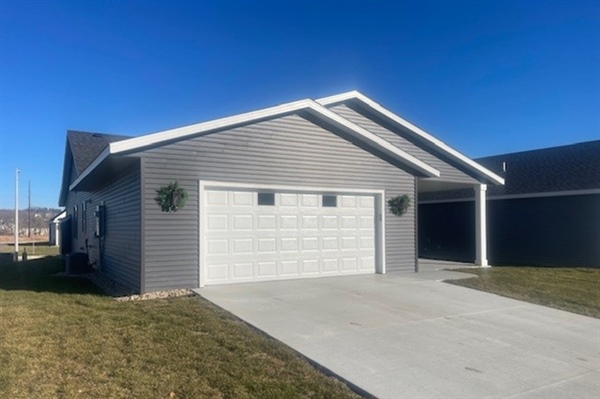
A garage door system may look simple from the outside, but behind every smooth opening and closing cycle is a coordinated system of mechanical and electrical components working together. From the moment you press a remote to the final movement along the tracks, each part plays a defined role in lifting, guiding, and securing the door. Understanding how these systems function—from the opener motor to the springs and tracks—gives homeowners a clearer picture of what keeps their door operating reliably day after day.
At Rochester Overhead Door Co, decades of experience have shown that a properly functioning garage door depends on the balance between power, tension, and alignment. This article breaks down the system into key components, including how opener systems generate movement, how springs manage weight, how cables and hardware transfer force, and how structural elements guide motion. You’ll also learn how modern garage doors incorporate safety features designed to prevent injury and damage, giving you a complete understanding of how every part works together.
How Garage Door Openers Work: Motors, Drive Types, and Control Systems Explained
The garage door opener is the primary powered component in a garage door system, responsible for initiating and controlling movement. At its core is an electric motor that converts electrical energy into mechanical motion. This motion is transferred through a drive system that physically moves the door along its path. The motor itself is typically rated by horsepower, with residential systems commonly ranging from ½ HP to 1¼ HP, depending on door size and weight.
There are three main types of drive systems used in modern openers: chain drive, belt drive, and screw drive. Chain drive systems use a metal chain similar to a bicycle chain, making them durable and cost-effective, though they tend to produce more vibration and noise. Belt drive systems use reinforced rubber belts, offering quieter operation and smoother performance, which is ideal for attached garages. Screw drive systems rely on a threaded steel rod that rotates to move the trolley, requiring fewer moving parts but demanding proper lubrication and alignment for consistent operation.
Control systems have evolved significantly, moving beyond simple wall switches to include remote transmitters, wireless keypads, and smart integrations. Modern systems often connect to home networks, allowing operation through mobile devices and real-time status monitoring. These advancements work in coordination with physical hardware such as garage doors, ensuring that motion is synchronized with safety and limit settings programmed into the opener.
Torsion vs. Extension Springs: Understanding Garage Door Counterbalance Systems
Garage door springs are responsible for counterbalancing the weight of the door, allowing it to be lifted with minimal force. Without springs, the opener alone would not be able to safely lift the door. Torsion springs are mounted above the door opening on a metal shaft and function by twisting to store energy. When the door is closed, the springs are under tension, and as the door opens, they unwind, releasing stored energy to assist in lifting.
Extension springs, on the other hand, are mounted along the horizontal tracks and operate by stretching. As the door closes, these springs extend and store energy, which is then released as they contract during opening. While extension systems are effective, they require additional safety cables to prevent uncontrolled movement in the event of failure. Torsion systems are generally preferred due to their controlled motion and more even distribution of force across the door.
Proper spring tension is critical to system performance. A well-balanced door should remain in place when partially open, indicating that the spring force is correctly matched to the door’s weight. Many modern systems integrate with advanced garage door openers, which rely on accurate spring balance to operate efficiently and avoid excessive strain on the motor and drive components.
Cables, Drums, and Pulleys: How Garage Doors Transfer Lifting Force
The lifting force generated by springs is transferred to the garage door through a system of cables, drums, and pulleys. In torsion systems, cables are attached to the bottom brackets of the door and wrap around circular drums located at each end of the torsion shaft. As the shaft rotates, the drums wind or unwind the cables, raising or lowering the door in a controlled and synchronized manner.
In extension spring systems, pulleys are used to redirect force. The cables run through stationary and movable pulleys, effectively doubling the lifting force while distributing tension across the system. This configuration allows the door to move evenly, provided that both sides remain properly aligned and tensioned. Any imbalance in cable length or pulley function can result in uneven door movement, increased wear, and potential system failure.
The integrity of these components is essential for safe operation. Cables are typically made of high-strength steel and are designed to withstand repeated cycles under tension. Drums are precisely machined to ensure consistent cable winding, while pulleys must rotate freely without resistance. Together, these parts form the link between stored spring energy and the physical movement of the door.
Tracks, Rollers, and Hinges: How Garage Doors Move Smoothly and Stay Aligned
The path a garage door follows is defined by its track system, which consists of vertical tracks along the sides of the door and horizontal tracks extending into the garage. These tracks must be precisely aligned to guide the door smoothly from a vertical to a horizontal position. Even minor misalignment can cause binding, noise, or uneven wear on components.
Rollers are mounted along the sides of each door section and travel within the tracks. These rollers may be constructed from steel or nylon, with nylon rollers offering quieter operation and reduced friction. Hinges connect the individual sections of the door, allowing it to bend as it transitions along the curved portion of the track. The coordinated movement of rollers and hinges enables the door to follow its intended path without obstruction.
Track systems are secured to the building structure using brackets and must maintain consistent spacing to prevent deviation during operation. Proper lubrication and periodic inspection help maintain smooth movement and reduce mechanical stress. The interaction between tracks, rollers, and hinges is critical to maintaining alignment and ensuring that the door opens and closes without resistance.
Garage Door Safety Systems and Sensors: How Modern Systems Prevent Accidents
Modern garage door systems incorporate multiple safety features designed to protect users and property. One of the most critical components is the photo-eye sensor system, typically installed near the base of the door opening. These sensors emit an invisible beam across the doorway, and if the beam is interrupted while the door is closing, the system automatically reverses direction to prevent contact.
Auto-reverse mechanisms are also integrated into the opener’s control system. These mechanisms monitor resistance during operation, and if an unexpected obstruction is detected, the door is immediately reversed. This function relies on precise calibration and is essential for preventing damage or injury. Additionally, manual release systems allow users to disengage the opener in the event of power failure, enabling manual operation of the door.
These safety features work in coordination with the full system, and proper installation and maintenance are necessary to ensure compliance with safety standards. For detailed system evaluations or service inquiries, Rochester Overhead Door Co provides access to additional information and support resources.
Professional Garage Door Expertise and Service in Rochester, MN
Understanding how a garage door system works—from opener mechanics to spring tension and track alignment—highlights the importance of proper installation and maintenance. Each component must function in sync to deliver safe, reliable operation. Rochester Overhead Door Co. brings decades of experience working with residential systems, offering knowledge across opener systems, spring configurations, and structural hardware.
Rochester Overhead Door Co provides comprehensive service backed by technical expertise and a strong understanding of system design. Whether addressing performance issues, replacing worn components, or evaluating system balance, their team applies proven methods that align with industry standards. For assistance or to schedule service, call 507-282-4666 or visit their contact us page.