How Do Garage Door Tracks and Rollers Affect Long-Term Operation?
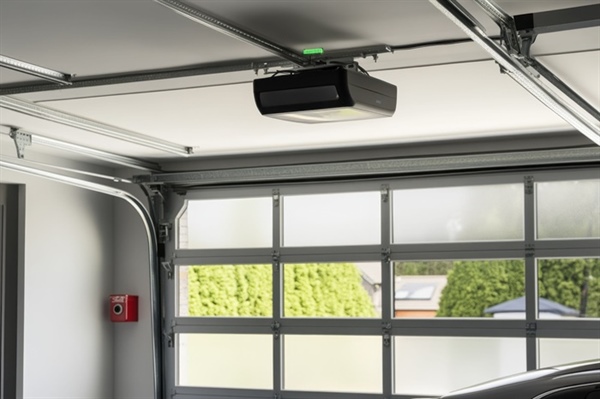
Garage door systems rely on more than just the opener to function smoothly over time. Tracks and rollers play a direct role in how the door moves, how evenly weight is distributed, and how long the entire system continues to operate without failure. When these components are properly aligned and maintained, the door follows a consistent path with minimal resistance. When they are not, issues such as binding, uneven movement, and excessive wear begin to develop, often leading to costly repairs. Rochester Overhead Door Co has worked with these systems for decades, where long-term performance consistently comes down to the condition of these foundational components.
Understanding how tracks guide movement, how roller materials affect performance, and how wear develops over time provides a clearer picture of why some garage doors last significantly longer than others. This article explores key factors including track alignment and stability, differences between steel and nylon rollers, how friction and debris impact operation, how these components influence opener efficiency, and what maintenance practices support long-term reliability. For homeowners already noticing changes in door performance, recognizing these elements early can make a measurable difference, especially when evaluating the need for garage door service.
How Garage Door Tracks Maintain Alignment and Long-Term Stability
Garage door tracks form the structural pathway that dictates how the door travels from a closed to an open position. Vertical tracks guide the door upward during initial movement, while horizontal tracks carry the door along the ceiling. These tracks must remain precisely aligned to ensure the door panels move evenly without twisting or binding. Even minor deviations in track spacing or angle can create uneven load distribution, which increases stress on hinges, rollers, and the opener system over time.
Proper alignment ensures that each roller maintains consistent contact with the track surface. When alignment shifts due to loose mounting brackets, structural settling, or impact damage, rollers begin to experience uneven resistance. This leads to jerky movement and places additional strain on the entire door assembly. Over time, this strain accelerates wear on multiple components, including cables and torsion springs, which rely on balanced movement to function correctly.
Track stability also depends on secure anchoring to the garage structure. Fasteners must hold the track system rigidly in place to prevent vibration or flex during operation. Any instability allows micro-movements that compound over thousands of cycles, gradually widening tolerances and increasing the risk of derailment. These issues often become noticeable when doors begin to produce irregular noise or fail to close evenly, signaling the need for evaluation or garage door service.
Steel vs. Nylon Garage Door Rollers: Performance and Longevity Differences
Roller material plays a critical role in how smoothly a garage door operates and how much wear is transferred to the track system. Steel rollers are known for their strength and load-bearing capacity, making them common in heavy-duty applications. However, steel-on-steel contact generates more noise and can increase friction if not properly lubricated. Over time, this friction can lead to track wear, especially in high-cycle environments.
Nylon rollers, in contrast, provide quieter operation due to their softer contact surface. The reduced friction between nylon and steel tracks helps minimize wear on both components, which contributes to longer system life when properly maintained. Many nylon rollers also include sealed bearings, which protect against debris infiltration and reduce the need for frequent lubrication. This design allows for more consistent performance over extended periods.
Material selection directly affects operational efficiency and maintenance requirements. While steel rollers may perform well under heavy loads, they require more frequent lubrication and inspection. Nylon rollers offer smoother performance with less noise and reduced track wear, making them a common choice in residential systems where long-term consistency is a priority.
How Friction, Dirt, and Wear Patterns Affect Garage Door Performance
Over time, garage door tracks and rollers develop wear patterns that directly impact performance. Dust, debris, and environmental contaminants accumulate within the track channel, increasing friction as rollers pass through. This buildup disrupts smooth movement and forces the system to work harder during each cycle. Without regular cleaning, even minor debris can lead to noticeable resistance.
Friction also increases as lubrication breaks down. Rollers rely on properly functioning bearings to rotate efficiently, but as lubrication degrades, metal components begin to wear against each other. This wear produces fine particles that further contaminate the track, compounding the problem. The result is a cycle of increasing resistance and gradual performance decline.
Metal fatigue in both tracks and rollers contributes to long-term degradation. Repeated stress causes slight deformation in track surfaces and roller components, which alters how they interact. These changes may not be immediately visible but can be detected through changes in noise, speed, or smoothness of operation. Addressing these early indicators helps prevent more significant mechanical failure.
How Tracks and Rollers Impact Garage Door Opener Efficiency and Lifespan
The garage door opener is designed to operate under specific load conditions. When tracks and rollers function correctly, resistance remains low and consistent, allowing the opener to perform efficiently. However, when friction increases due to misalignment or wear, the opener must exert additional force to move the door. This increased demand accelerates wear on internal components such as gears and motors.
Higher resistance also affects the balance of the door system. Openers are not intended to compensate for mechanical issues within the track and roller assembly. When forced to do so, they operate outside their optimal range, which reduces their service life. This often leads to premature failure of drive systems, especially in chain-driven or belt-driven units.
Consistent strain on the opener can also interfere with safety mechanisms. Sensors and force settings rely on predictable movement patterns to function correctly. When resistance fluctuates, these systems may misinterpret conditions, potentially leading to operational interruptions or safety concerns. Maintaining low-friction track and roller performance supports both efficiency and system reliability.
Garage Door Track and Roller Maintenance: Inspection and Replacement Best Practices
Routine inspection of tracks and rollers is essential for maintaining long-term performance. Tracks should be checked for alignment, dents, and debris accumulation. Cleaning the track channel with a non-corrosive solution helps remove buildup that contributes to friction. Rollers should be examined for signs of wear, including cracked wheels, worn bearings, or excessive wobble during movement.
Lubrication is a critical part of maintenance, particularly for roller bearings and moving joints. Applying a manufacturer-approved lubricant reduces friction and helps preserve component integrity. It is important to avoid over-lubricating tracks themselves, as this can attract additional debris and worsen performance over time.
Replacement intervals depend on usage cycles and material type. Steel rollers may require replacement sooner in high-use environments due to increased wear, while nylon rollers often provide longer service life under typical residential conditions. Track repairs should be addressed immediately if alignment issues or structural damage are identified, as delays can lead to broader system failure.
Professional Garage Door Support for Long-Term Performance in Rochester
Maintaining proper track alignment and roller condition requires both routine care and informed evaluation of system performance. Rochester Overhead Door Co. provides comprehensive inspection and repair services designed to address these critical components before they lead to larger mechanical issues. Their team works with all major door systems, identifying alignment problems, wear patterns, and material failures that affect long-term operation.
Rochester Overhead Door Co delivers service backed by decades of experience in garage door systems. Their technicians understand how track positioning, roller condition, and system balance interact, allowing them to resolve issues with precision. For scheduling or additional information, call 507-282-4666 or visit their contact us page.
From detailed inspections to full component replacement, their services support reliable operation and extended system lifespan. Addressing track and roller issues early helps prevent unnecessary strain on openers and other critical parts, keeping garage door systems operating smoothly over time.